The African Continental Free Trade Agreement (AfCFTA) is a millennial and inter-generational project, undertaken at a time of major technological shifts. It is the instrument for Africa’s economic transformation in a changing world.
Harnessing the power and creativity of Africa’s youth to accelerate the transformation of African economies is one of the most important development challenges facing African leaders in both the public and private sectors.
Professor Benedict Oramah, President and Chairman of the Board of Directors of Afreximbank, said that the theme of this year’s Afreximbank Annual Meetings will serve as a trigger for the organising the conditions necessary to increase the contribution from Africa’s youth. They have a major role to play in diversifying the sources of growth and exports which will strengthen the implementation and impact of the AfCFTA.
Afreximbank’s structures to deliver financing solutions that support this transformation are accelerating industrialisation and intra-regional trade. Afreximbank’s Pan-African Payment and Settlement System (PAPSS) is a cross-border payments platform that facilitates instant payments across Africa. It has been adopted by the African Union (AU) as the payment and settlement platform to underpin the implementation of the AfCFTA.
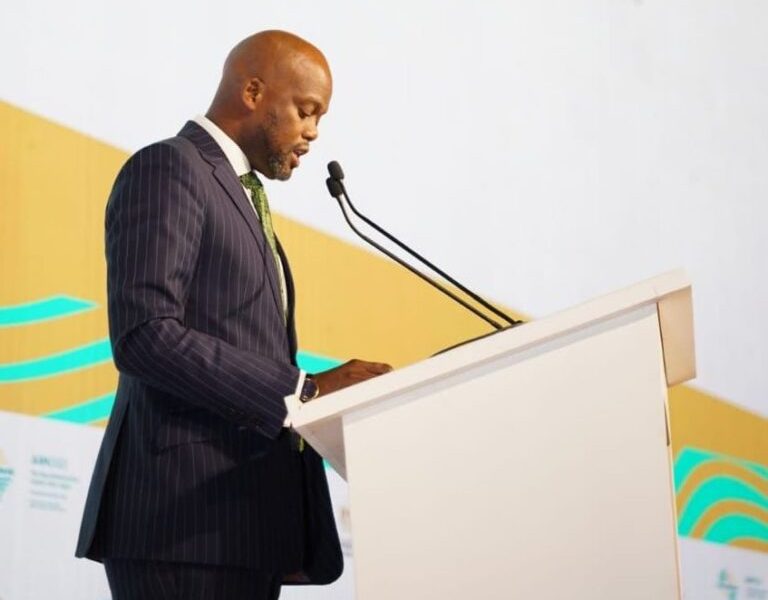
“What’s going on in the world today calls for developing our own self-reliance and the capacity to produce and grow things for ourselves;” said Mr. Wamkele Mene, Secretary-General, AfCFTA Secretariat. “AfCTA provides the framework to do this. Forty-three countries have so far ratified the agreement, signifying their commitment to the economic integration of the continent and demonstrating they have the political and legal commitment to reduce barriers to intra-Africa trade and investments. This will position our continent for prosperity for decades to come.”
“We intend to foster a favourable environment for young Africans to competitively engage in cross-border trade in goods and services, in the context of the AfCFTA” Mr. Wamkele Mene continued. “To achieve this, at the continental level we are committed to broaden inclusiveness in the implementation of the AfCFTA through interventions that support young Africans, women, and small and medium enterprises, as well as integrating informal cross-border traders into the formal economy by implementing the simplified trade regime.”